

Konnichiwa! Looking for entertainment that goes beyond balloons and face painting? Candy5 offers a truly one-of-a-kind live candy performance that brings artistry, tradition, and wonder to every celebration. Drawing from Amezaiku, the historic Japanese candy art sculpture with over 300 years of history, she creates intricate candy art right before your guests’ eyes.
After studying under Master Kimura Takeo, Candy5 became the world’s first female candy artist in 1994. She went on to perform for 17 years at Walt Disney World’s Epcot, mesmerizing countless guests at the Japan Pavilion with her extraordinary techniques and unforgettable stage presence.
Today, based in New York and traveling worldwide, Candy5 transforms parties, cultural events, and special occasions into magical experiences through the beauty of Japanese candy art.


— Soichi Noguchi, Astronaut, STS-114
“It’s been a pleasure seeing Candy Miyuki’s success over the years on television and in newspaper articles. Her success has also led her to be invited to several NASA events to promote her rare Japanese culture.”
— Laura Marks
“Her candy presentation was fabulous and funny! Great skill and interaction with her audience!”
— Jenna Morasca, Actress
“Your candy was truly magical! We will cherish you forever & hope to see you again.”

AMEZAIKU:
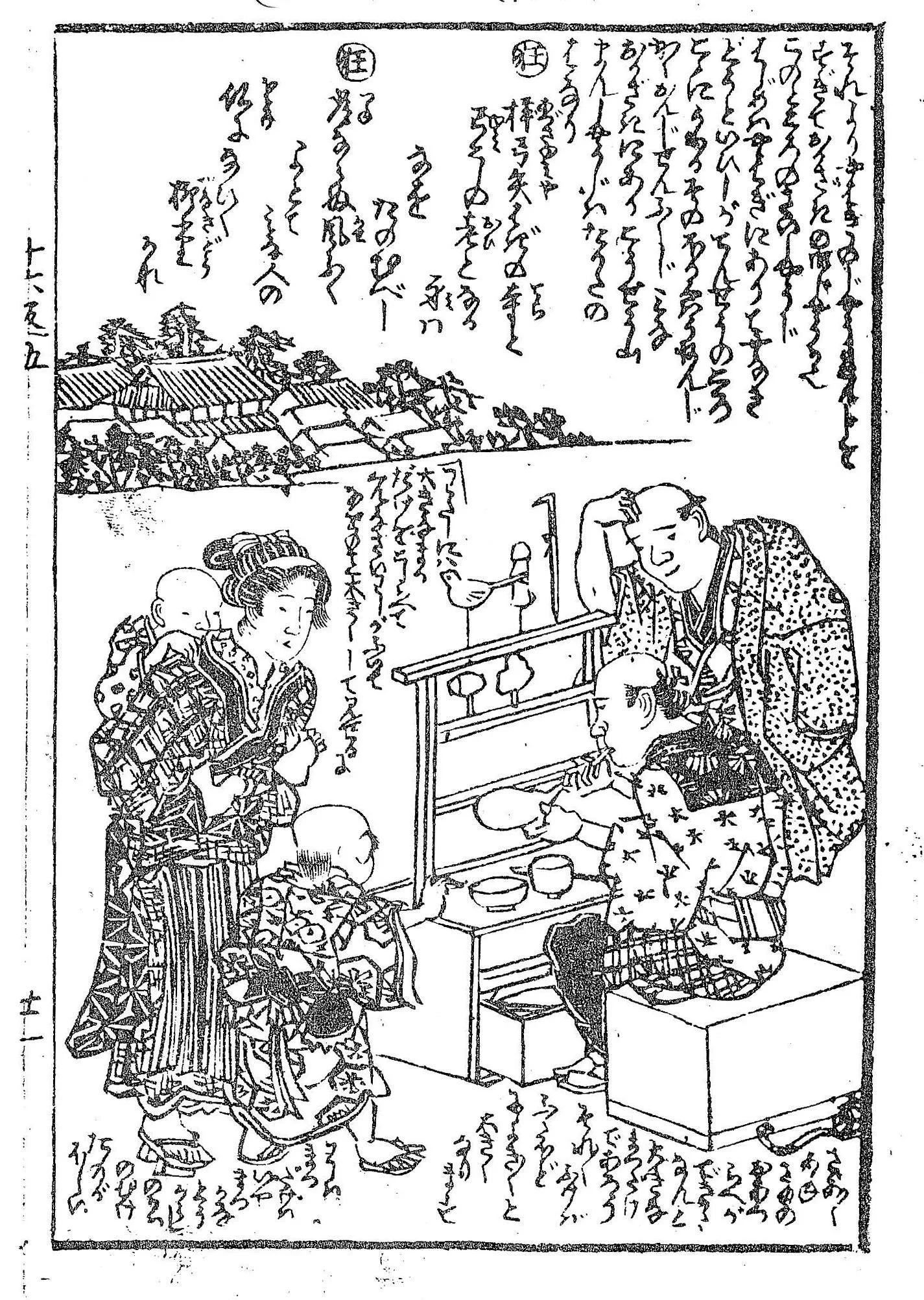
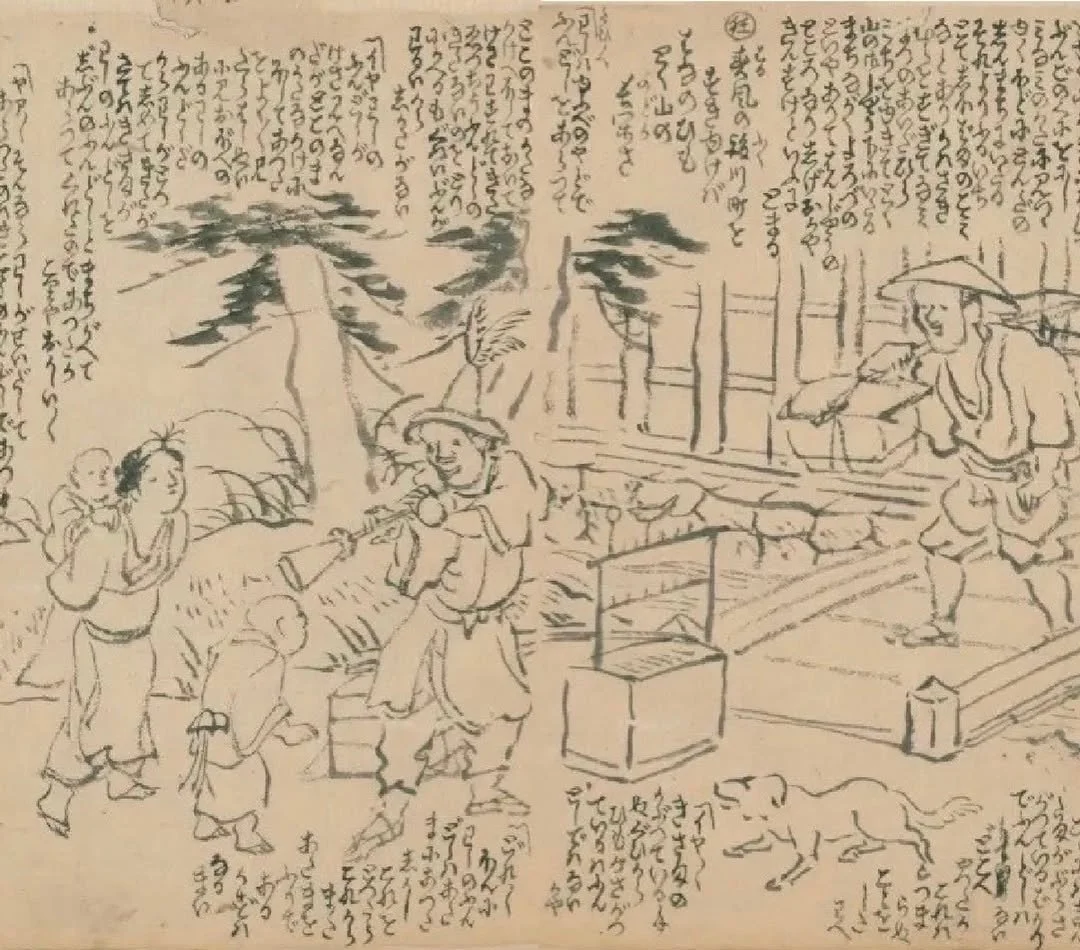
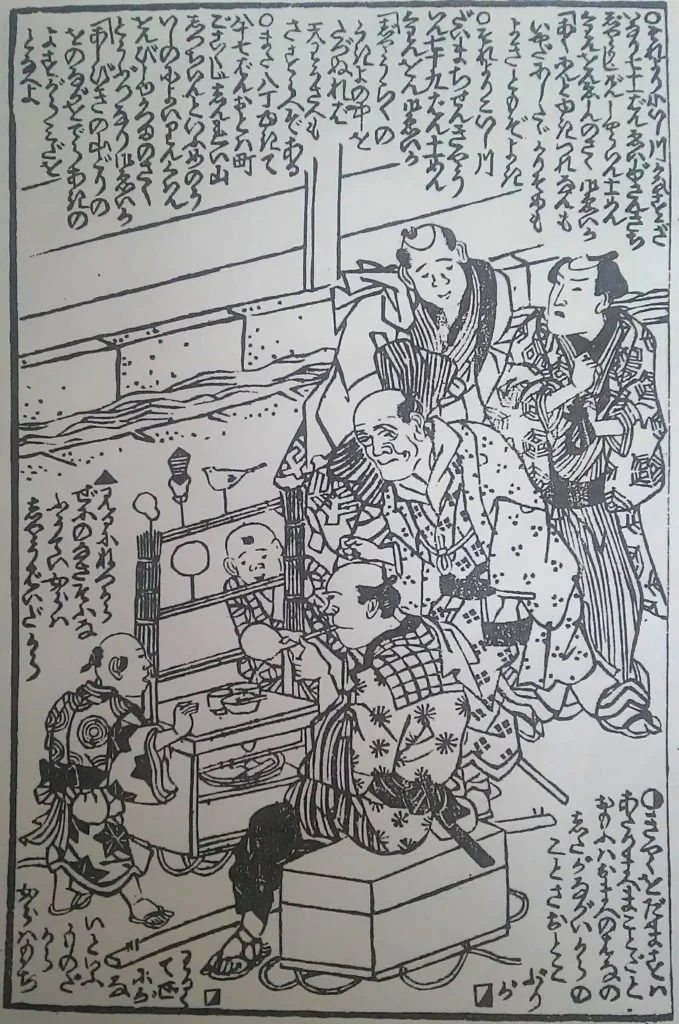
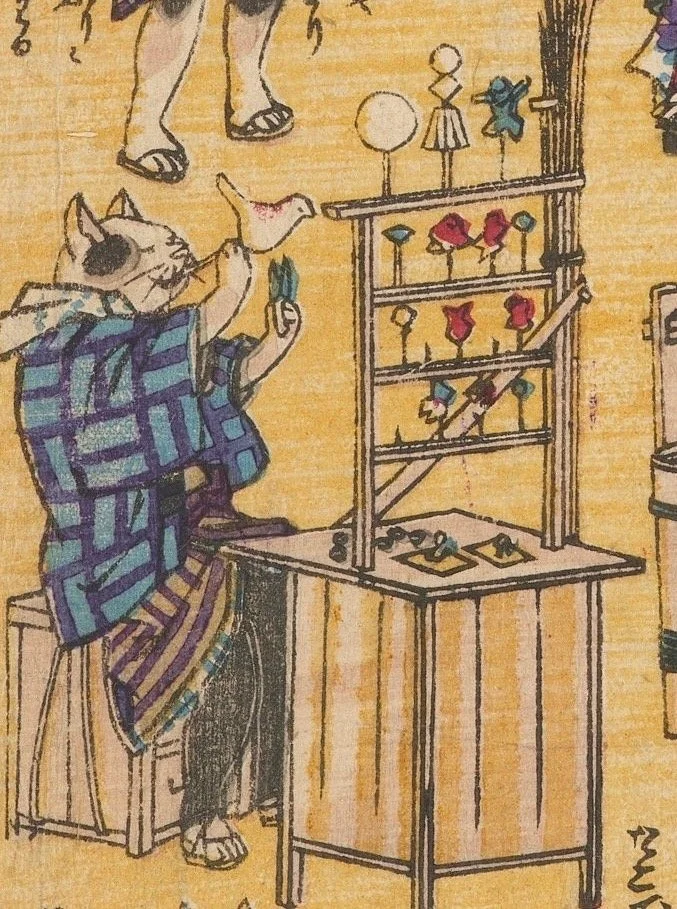
Amezaiku is a traditional Japanese fold art of sculpting candy into a variety of shapes as animals and other characters. "Ame " means candy and "zaiku “ means a craftsmanship in Japanese. Artisans of “Amezaiku " 飴細工 are called “Amezaiku-shi" 飴細工師.
HISTORY:
Candy making techniques derived from China to Japan. Its history in Japan goes back to the Hei-an Period (794 - around 1192). To celebrate the completion of one of the prominent Buddhism temple, Toji in Kyoto, China sent candy makers and had them create handmade candies as gifts. Chinese candy makers remained in Kyoto and created varieties of hard candies. Candy was considered a very valuable treat and it was only available for religious rituals. The naming, Amezaiku, was established about 300 years ago in the Edo Period (1603 -1868). Before, it was called Tori no Ame (Candy of Birds) because most candies were shaped into birds. Gradually, the technique of manufacturing and shaping candy became more elaborated. By the Edo Period, Amezaiku had spread to Tokyo and the vicinity area and became widely appreciated as an affordable treat for everyone.
INGREDIENTS AND TECHNIQUE:
The ingredients of Amezaiku are sugar, water and corn starch. First, a glutinous starch syrup is boiled until it becomes transparent. It is heated in a pot over charcoal, making the candy very pliable and dough-like. The hot dough is then divided into small portions to be pulled and kneaded. Contact with air during the pulling and kneading process produces a pure-white color. The candy dough must be shaped and formed into animals or characters quickly, using a pair of scissors and fingers, at the tip of a chopstick. As the shaping proceeds, it quickly cools and hardens, so speed is of most importance. The artist pinches, pulls, cuts and bends the material creating an animal shape, be it bird, horse or dragon. Red, yellow and blue food colors are used for decoration. Originally, Amezaiku used only small amounts of candy on the end of a reed stem. It was then enlarged and shaped by blowing air into it, similar to glass blowing. A candy artist must be able to hold the hot dough with their bare hands protected only by flour. The expertise and training takes years to master as the temperatures can reach up to 200° Fahrenheit.